Posted on

India is among the world’s top 10 largest spice-producing countries

Spices In India

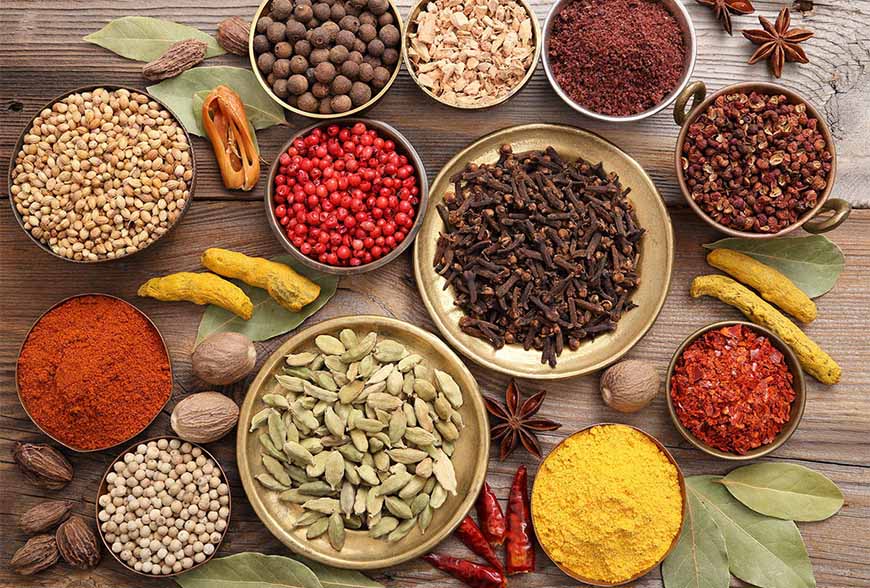
Spices play a crucial role in enhancing food flavour and taste. Beyond culinary use, they are widely utilized for their medicinal and health benefits, serving as remedies for various ailments. Spices are important in trade and commerce, shaping history and culture through exploration and exchange.

The top 10 largest spice-producing countries are India, Turkey, Bangladesh, China, Indonesia, Pakistan, Ethiopia, Nepal, Colombia, and Myanmar. These countries play a significant role in the global market economy, as spices can be preserved and have a substantial impact. Their spice production contributes to culinary diversity and is enriched by cultural influences.

Discovering the Top 10 Spice-Producing Countries in the World with its comparison of various features, this article shall provide details about the required information:

Serial No.NameSpices ProducedExported to countries
1IndiaBlack Pepper, Cardamom, Turmeric, Cloves, Ginger, Coriander and Many othersAll over the world spices are exported
2TurkeyMint, Cumin, Sumac, thyme, red Pepper Flakes and othersFennel, Sichuan peppercorns, Szechwan, chilli powder, cloves, star anise, cinnamon, and other spices.
3BangladeshTurmeric, Chuijhal, Ginger, Chilli Peppers, Cinnamon, Coriander, Cardamom and othersQatar, Saudi Arabia, Malaysia 
4ChinaFennel, Sichuan peppercorns, Szechwan, chili powder, cloves, star anise, cinnamon, and other spices.Australia, Japan, and the USA
5IndonesiaCloves, Cinnamon, Pepper and CorianderUSA, Southern Asia, Australia, Japan, India

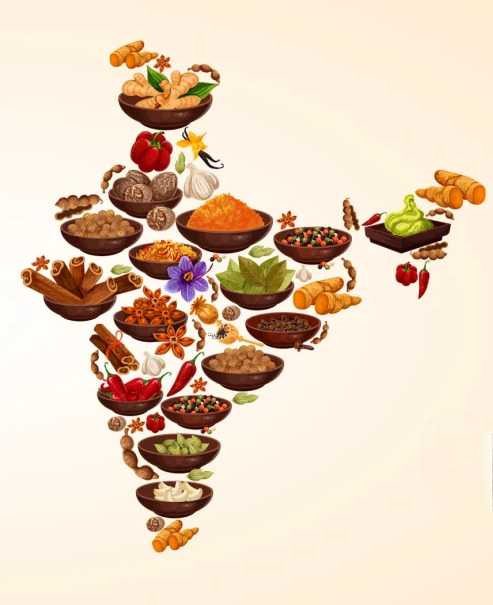
India is a leading country in spice production, contributing a significant variety of spices to the global market. With at least 75 different types of spices, India boasts a rich cultural heritage that supports its spice industry. In 2020, India produced a total of 2,176,900 tonnes of spices. Madhya Pradesh is particularly known for its high-quality spice production.

Indian spices are renowned for their distinct aromas and unique properties, offering a diverse range of flavours. Major spices produced in India include chilli, turmeric, pepper, garlic, and ginger, each known for their widespread use and benefits.

Spices and herbs are essential for adding flavour and aroma to food, and they also possess special healing and nutritional properties that enhance appetite. Historically associated with luxury and royalty, they have been valued for promoting health and vitality. Additionally, scientific research has confirmed that spices offer various health benefits beyond their culinary appeal. With the rapid growth of population and industrialization, the demand for spices is expected to increase significantly in the future.
Posted on

Amoha-Ensuring Authenticity and Quality

Today, ensuring spice purity remains a challenge. Adulteration, mislabeling, and quality variations persist. However, organizations and certifications strive to protect consumers. Spices have always been prized for their flavor, aroma, and cultural significance.

The Alarming Reality: Indian spices, deeply rooted in Ayurveda and culinary traditions, face significant risks due to adulteration and harmful chemicals. Here’s why this issue is cause for concern:
Pesticide Contamination: Recent cases have highlighted pesticide residues in spices.  For instance, Some Indian branded companies faced halted sales due to suspected elevated levels of ethylene oxide—a cancer-causing pesticide.

EU Concerns: The European Union (EU) has raised alarms after discovering the same cancer-causing substance in samples of chili peppers and peppercorns from India.

How to Detecting Adulteration.

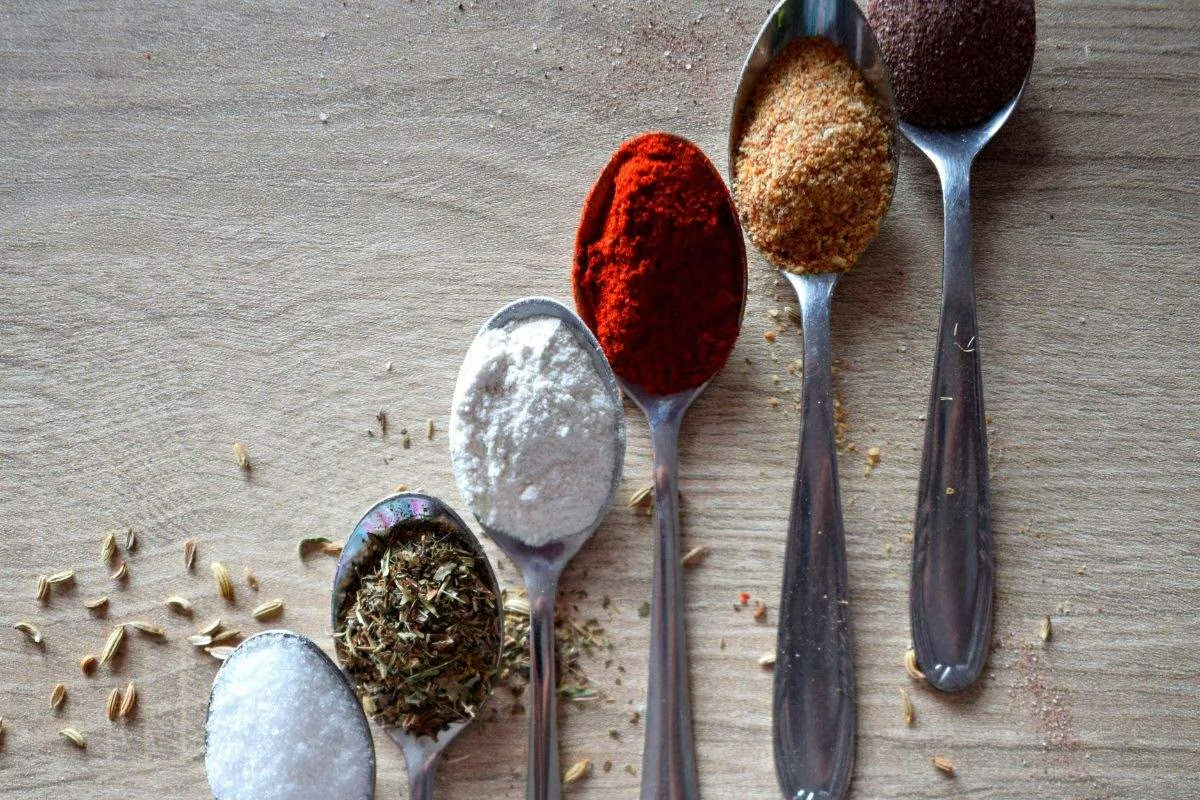
While visual inspection alone may not suffice, here are some simple tricks to check your spices at home:

  1. Smell and Taste: Trust your senses. Authentic spices have distinct aromas and flavors.
  2. Trust Your Senses: Smell, taste, and color can reveal impurities. If something seems off, investigate further.
  3. Color Test: Observe the color—vibrant hues may indicate adulteration.
  4. Buy Whole Spices: Whole spices are less likely to be tampered with.
  5. Check Labels: Look for certifications and quality seals.

While impurities persist, informed choices and awareness can help us enjoy authentic Indian flavors. Let’s savor the magic of spices while advocating for transparency and quality! 🌶️🌿

We’ve highlighted the challenges related to impurities in Indian spices, common impacted spices, and practical tips for ensuring purity. 

Amoha’s commitment to quality and delightful blends make it a great choice for spice enthusiasts. If you need more information or have specific preferences, feel free to ask!

Posted on

History Of Indian Spices

HIstory Of Indian Spices

Let’s delve into the captivating history of Indian spices—a tale that spans thousands of years, cultural exchanges, and aromatic trade routes. 🌶️🍛

Ancient Spice Routes

  1. Herbs and Spices in Ancient India:
    • Indian tribes have used spices for almost as long as human civilization itself. The Rig Veda (around 6000 BC) and other ancient texts provide the earliest written records of spices in India.
    • These natural treasures were rooted in Mother Nature’s abundance and kindness.
  2. Trade and Cultural Exchange:
    • India’s strategic location at the crossroads of Asia and the Middle East made it a spice trade hub.
    • Donkey and camel caravans transported spices from China, Indonesia, India, and Ceylon (now Sri Lanka).
    • For about 5000 years, the Arabs dominated the spice trade until Europeans discovered a maritime route to India.
  3. European Exploration:
    • In 1498, Vasco da Gama reached Kozhikode on India’s southwest coast. His return voyage brought nutmeg, cloves, cinnamon, ginger, and peppercorns.
    • European explorers like Ferdinand Magellan and Christopher Columbus sought more cost-effective ways to obtain these precious spices.

Influence on Indian Culture and Cuisine

  1. Integral to Indian Cuisine:
    • Spices are the heart of Indian cooking. Without them, the complex flavors wouldn’t come alive.
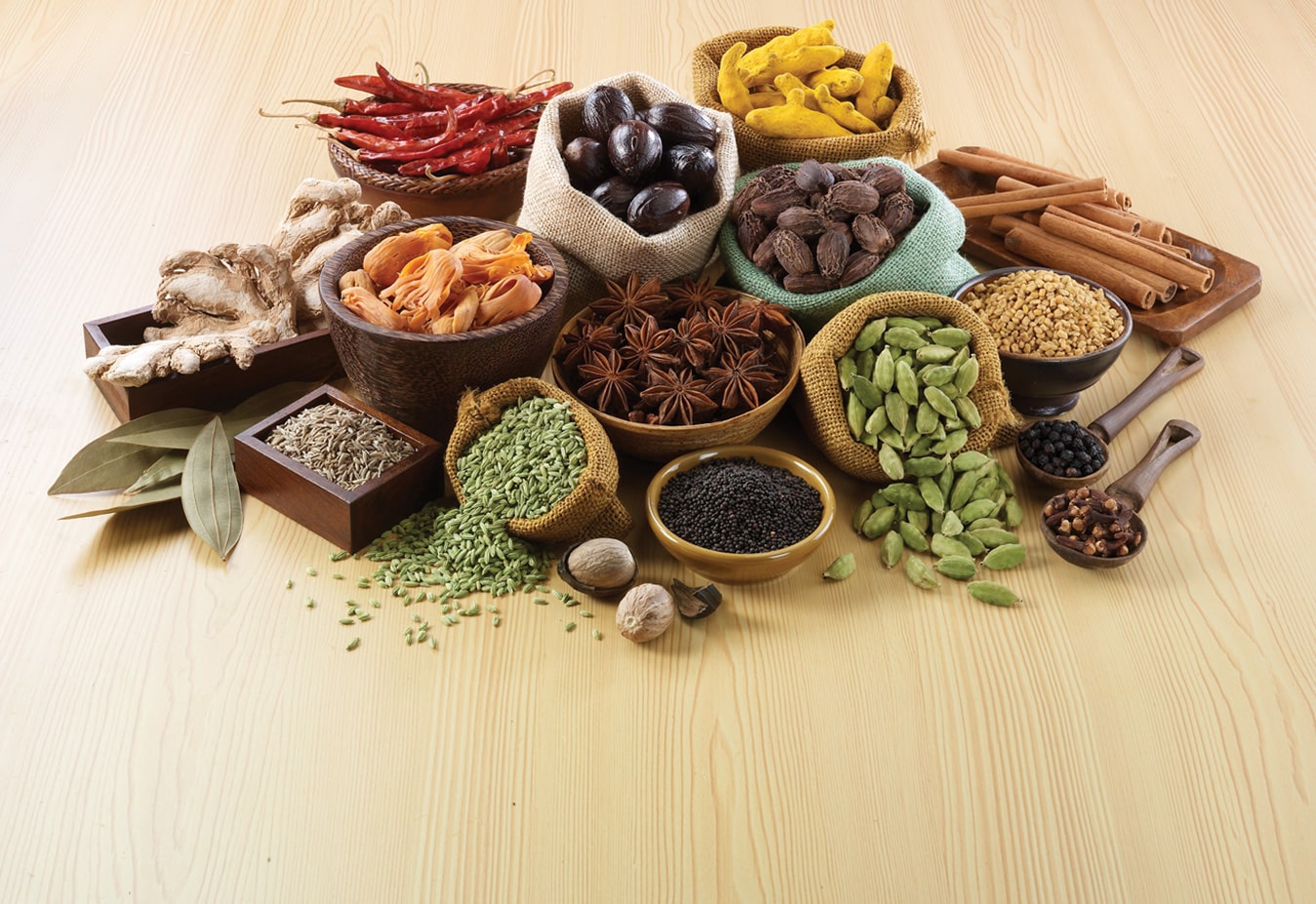
    • Turmeric, ginger, cardamom, and more—these aromatic gems define Indian dishes.
  2. Indian Spices and Cuisine:
    • Traditional Indian food is seasoned with a diverse range of spices. Chefs use them in various forms and colors.
    • Whether it’s vegetables, chicken, fish, or red meat, spices weave their magic throughout the cooking process.
  3. Masala Movies and Culinary Magic:
    • Indian films are often called “masala movies,” reflecting the spicy blend of humor, drama, action, and romance.
    • Just like in cinema, Indian spices create a flavorful symphony in every kitchen.

Indian spices—more than mere ingredients—are storytellers. They whisper tales of ancient civilizations, trade voyages, and culinary traditions. So, as you savor that fragrant curry, remember the rich history these tiny seeds and pods carry. 🌟✨

Posted on

The Magic of Indian Spices

The Magic of Indian Spices

Indian spices are like a symphony of flavors. They transform ordinary ingredients into extraordinary dishes. Whether it’s a simple dal (lentil soup) or a complex biryani, spices add depth, warmth, and complexity. Each spice has its unique profile: earthy cumin, aromatic coriander, fiery red chili, and fragrant cardamom. When combined, they create a harmonious balance that tantalizes the taste buds.

Beyond flavor, spices offer health advantages. Turmeric, with its active compound curcumin, has anti-inflammatory properties. It’s a staple in Indian curries. Cumin aids digestion, while cinnamon helps regulate blood sugar. Fenugreek seeds are known to lower cholesterol levels. Spices aren’t just about taste; they’re about well-being.

India is a diverse country, and each region boasts its spice palette. For instance:
North India: Rich gravies with garam masala (a blend of spices) dominate.
South India: Coconut, curry leaves, and mustard seeds take center stage.
East India: Panch phoron (a five-spice mix) flavors dishes.
West India: Fiery red chilies and kokum define the cuisine.

Spices are woven into Indian culture. They’re used during festivals, rituals, and even in Ayurvedic medicine.A pinch of asafoetida (hing) in the tadka (tempering) signifies auspicious beginnings. The aroma of roasting spices during Diwali or Holi celebrations is unforgettable.

Spices aren’t limited to savory dishes. They find their way into sweets (think cardamom-infused kheer), pickles, and beverages (masala chai). They’re also used in preserving foods, as seen in sun-dried mango powder (amchur) or dried fenugreek leaves (kasuri methi).

Indian spices aren’t mere ingredients; they’re storytellers. They whisper tales of ancient trade routes, royal feasts, and family gatherings. So, the next time you savor a fragrant curry or a chai latte, remember the magic these tiny seeds and pods bring to your plate. 🌟✨

Note: Always store spices in airtight containers away from direct sunlight to preserve their potency.

Happy cooking! 🥘🔥